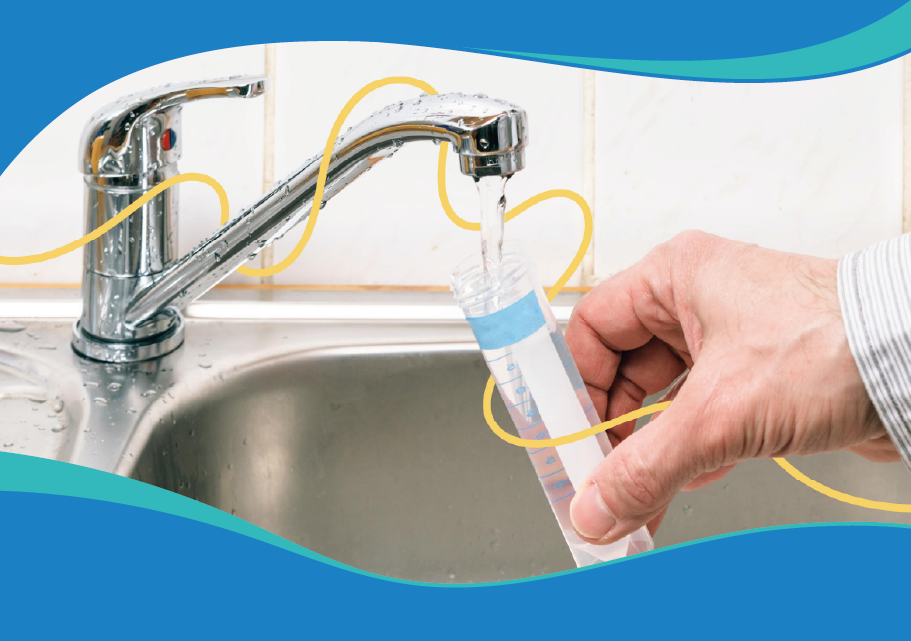
Water is essential to life, but within our modern plumbing and water systems, it can also harbour a hidden danger: Legionella bacteria. For property managers, landlords, and building owners, ensuring water safety is a legal and moral obligation. This guide will explain what Legionella is, the risks it presents, and, most importantly, provide a step-by-step roadmap for completing a thorough and compliant Legionella Risk Assessment.
What is Legionella?
Legionella is a genus of bacteria found in natural water systems, such as ponds and rivers.
What is Legionnaires’ disease?
Legionnaires’ disease is a serious form of pneumonia. It is caused when small droplets of water containing the bacteria are inhaled, but the conditions are rarely right for people to catch the disease.
What causes Legionella?
Outbreaks occur from exposure to the bacteria in purpose-built water storage systems where the conditions encourage growth. These include hot and cold water systems like cooling towers, ventilation systems, and hot tubs.
The most common route for transmission in homes, though rare, is through the shower. Since it thrives between 20ºC and 45ºC, the shower is the perfect place for it and causes it to be dispersed into the air.
What effects does Legionella have on health?
Although it’s rarely found in occupied properties, Legionella can have nasty consequences for occupiers, exacerbating underlying breathing and health issues and causing sickness. People can experience a cough, shortness of breath, chest pain or discomfort, a high temperature or flu-like symptoms.
What is a Legionella Risk Assessment?
A Legionella Risk Assessment is intended to keep occupiers safe from the dangers of Legionella bacteria. It evaluates the potential for the bacteria to grow and spread in a water system. It identifies water safety risks, evaluates any active control measures, and recommends actions to take to minimise the danger of exposure to Legionnaires’ disease.
With Legionella training and regular water risk assessments, property managers and landlords can reduce the chances of a Legionnaires’ disease outbreak.
How to carry out a Legionella Risk Assessment
Create a detailed schematic of all systems, such as hot/cold water, cooling towers, and spa pools. Note all components, water flow patterns, storage capacities, and normal operating temperatures to form the foundation of the assessment.
Systematically search for specific hazards that support bacterial proliferation:
Temperature: Locate areas where water sits between 20 degrees celsius and 45 degrees celsius (the optimal growth range).
Stagnation: Pinpoint "dead legs" in pipework, infrequently used outlets (taps/showers), and unused storage tanks.
Contaminants: Check for and document scale, sludge, rust, or biofilm, which serve as bacterial nutrients and shelter.
Aerosol generation: Identify equipment that produces water droplets that can be inhaled, such as showers, cooling towers, and humidifiers.
Determine who is at risk and the probability of them inhaling contaminated aerosols.
Exposed groups: List all individuals who could be exposed (employees, visitors, residents).
Vulnerability: Note any high-risk individuals (e.g., the elderly, those with respiratory issues, or weakened immune systems) as they are more susceptible to infection.
Combine your findings on sources and exposure to establish the overall risk level for each hazard.
Use a Risk Matrix to assign a rating (e.g., Low, Medium, High) based on the likelihood of exposure and the potential severity of harm.
Prioritise risks to ensure control measures are focused where they are most critically needed.
Develop and execute a written scheme of control to reduce all identified risks to an acceptable, safe level.
Maintain hot water >60 degrees celsius and cold water <20 degrees celsius.
Flush unused outlets routinely.
Clean and disinfect water systems.
Monitor temperatures and test regularly.
Eliminate pipework dead legs.
Create a complete audit trail to demonstrate compliance and effective risk management.
Record all identified hazards, assessed risks, control measures, and management responsibilities.
Keep meticulous, accessible records of all maintenance, monitoring results, and testing data.
The Legionella Risk Assessment is a live document and must be reviewed to remain valid.
The UK's Health & Safety Executive (HSE) recommends a review at least every two years as a general best practice.
Update the assessment immediately upon any significant event: – Changes to the water system (e.g., new plumbing, modifications). – Change in the building's use. – Confirmation of a Legionnaires' disease case.
Confirm that all personnel involved are appropriately qualified.
Verify that the person conducting the assessment has sufficient training, knowledge, and experience.
Provide training on Legionella risks, control measures, and specific monitoring duties to all relevant staff.
Who can carry out a risk assessment?
In most domestic settings, special training is not required. The person conducting the Legionella risk assessment must simply be competent. Competency is defined by having the necessary knowledge of health and safety requirements, along with the appropriate skills and experience to properly complete the assessment.
The Legionella risk assessment can be conducted by the Responsible Person, the Duty Holder, the business owner, or the building owner. Alternatively, if these individuals lack the necessary expertise, an external specialist can be hired to ensure thorough coverage of all requirements.
Can you carry out a risk assessment yourself?
If you own a small property with a simple hot and cold water system, you may decide to conduct the risk assessment yourself.
The resulting report may indicate there is no need for testing and that simple steps can be taken to minimise all risks.
How Legionella should be monitored and detected
The primary duty for block managers is to assess the risk of Legionella across the properties they serve. It is important to note that this risk is typically low unless flats or common areas are supplied by shared water storage or do not receive their water directly from a mains provider.
If the initial assessment identifies a significant risk, a qualified expert must be called immediately for a further, in-depth investigation. Following this, a comprehensive control and reduction plan must be constructed.
This plan typically mandates ongoing monitoring and management, which consists of several key steps:
Regular inspections: Visual checks of the water system.
Water testing: Periodic sampling and laboratory analysis.
Temperature checks: Regular monitoring of water temperatures throughout the system.
These crucial monitoring activities should be carried out by a qualified Legionella Risk Assessor.
While the Health and Safety Executive (HSE) does not mandate keeping a record of the initial assessment, property managers are strongly advised to maintain a complete audit trail. This documentation is vital, as it allows the landlord to prove they have fulfilled their legal obligations to control risk, particularly in the event of a Legionella case occurring within a managed building.
How to prevent the spread of legionella
It’s the landlord’s responsibility to ensure that the property is free of legionella at the start of the tenancy and to deal with any issues that arise for the duration. However, there are several ways that the tenant can minimise the risk themselves, at no extra cost and with very little effort.
Clean showerheads regularly
The shower is the highest-risk part of any property when it comes to the spread of legionella and asking occupiers to remove and clean it on a regular basis will stop anything from the development of mould to the beginnings of legionella.
Don’t fiddle with the temperature settings
Landlords who are able to should set the temperature of the hot water cylinder (calorifier) at 60C to prevent the creation of conditions perfect for the spread of legionella. Once the temperature has been set, occupiers should be advised not to alter it.
Run the taps when you get back from holiday
Taps in the property should be run for a few minutes before use when the occupier gets back from an extended break away from the property (annual leave or university vacation times) to reduce risk.
Rapid response and reporting
Occupiers should inform their landlord or property manager of any inconsistent temperatures or instances where the hot water is not heating properly. Both of these are telltale signs that the conditions might be ripe for the development of legionella and should be reported swiftly so that landlords can take appropriate action.
Tenants should be kept informed
Rapid response and reporting goes both ways. Responsible persons should make sure they’ve advised occupiers of any measures they’ve already taken that need respecting, such as the setting of temperature controls. Landlords and property managers should also consider including a legionella risk assessment as part of any scheduled regular inspections. Although it’s highly unlikely that legionella will develop in a property that’s regularly occupied and well-maintained, it’s definitely better to be safe than sorry.
Final thoughts
The Legionella Risk Assessment is an important document for maintaining a safe water system and ensuring the ongoing well-being of building occupants. Maintaining detailed records, adhering to temperature controls, and responding rapidly to tenant reports are all critical components of a robust Legionella management plan. A successful risk assessment provides the confidence and audit trail necessary to prove you have taken all reasonable steps to safeguard your tenants against this serious hazard.